Toyota Prius 2026 : The 2026 Toyota Prius continues to prove that a hybrid doesn’t have to look like a science‑project economy car to sell in the age of EVs.
With sharper styling, a fifth‑generation hybrid system, and a tech‑forward cabin, the latest Prius targets eco‑conscious commuters, urban drivers, and anyone who wants strong fuel economy without sacrificing comfort or safety.
Design and Stance: Sleek, Not Sterile
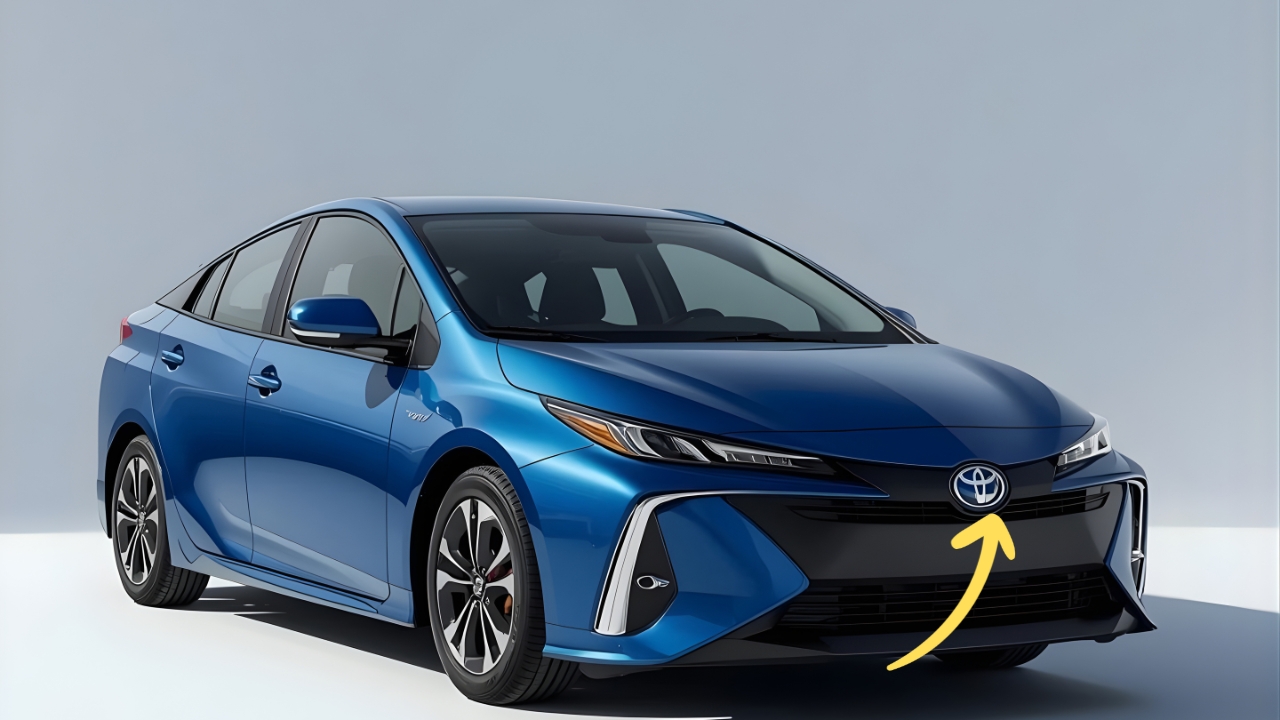
Toyota has given the 2026 Prius a low, wide stance and a fastback silhouette that looks more like a sporty liftback than a traditional hybrid.
LED headlights, a sculpted front fascia, and available blackout trim (especially on the Nightshade edition) give it a more aggressive, modern presence compared with earlier generations.
From the side, the roofline slopes gently toward the rear, helping aerodynamics while still leaving enough headroom for four adults.
At the back, a clean liftback opening and a subtle rear spoiler underline the Prius’s efficiency‑first mission without making it look boring.
Powertrain and Fuel Economy
Under the hood, the 2026 Prius uses Toyota’s fifth‑generation hybrid system, pairing a 2.0‑liter four‑cylinder engine with electric motors for a total of about 194–196 horsepower.
Front‑wheel‑drive models are tuned for maximum efficiency, while an available electronic on‑demand all‑wheel‑drive system adds traction in rain, snow, or loose surfaces without gutting mileage.
EPA estimates from the 2025 model carry over in spirit: front‑drive LE variants are rated around 57 mpg city / 56 mpg highway, while AWD versions sit closer to the low‑50s.
Higher trims such as XLE, Nightshade, and Limited trade a few mpg for more comfort and tech, but still deliver mid‑50s combined ratings in many configurations.
Interior Space and Comfort
Inside, the 2026 Prius swaps the old “space‑capsule” layout for a cleaner, more conventional cockpit that still feels futuristic.
A top‑mounted digital gauge cluster sits just above the steering wheel, keeping speed and hybrid‑system info in the driver’s line of sight, while an 8‑inch or 12.3‑inch touchscreen anchors the center stack.
Materials vary by trim: LE keeps things simple with durable fabrics and basic plastics, while Limited adds SofTex‑trimmed seats, heated and ventilated front seats, and an optional panoramic glass roof.
Rear‑seat legroom is generous for a compact hatch, and the liftback design makes loading groceries, gym bags, or small cargo much easier than in a sedan.
Tech, Infotainment, and Connectivity
Toyota has upgraded the Prius’s tech suite to feel competitive with newer EVs and crossovers. The Toyota Audio Multimedia system supports wireless Apple CarPlay and Android Auto, plus over‑the‑air updates and cloud‑based navigation through Drive Connect on higher trims.
A color head‑up display, wireless charging pad, and available JBL premium audio give the cabin a more premium vibe, especially in XLE and Limited models.
Digital features such as a digital rearview mirror and an optional Panoramic View Monitor with surround‑camera coverage help with parking and low‑speed maneuvering in tight city streets.
Safety and Driver Assistance
Safety remains a core selling point, with Toyota Safety Sense 3.0 standard across the 2026 Prius lineup.
That bundle includes a pre‑collision system with pedestrian and cyclist detection, full‑speed dynamic radar cruise control, lane‑tracing assist, road‑sign recognition, and automatic high beams.
Higher trims add Blind Spot Monitor with Rear Cross‑Traffic Alert, front and rear parking sensors, and available Advanced Park for hands‑free parallel and perpendicular parking.
Toyota’s Star Safety System—covering traction control, brake assist, and vehicle stability control—rounds out the package, giving the Prius strong marks in crash‑test and driver‑assistance evaluations.
Trim Levels and Pricing in the USA
For 2026, Toyota keeps the Prius lineup relatively simple: LE, XLE, Nightshade, and Limited, with plug‑in hybrid (Prius Prime) variants sold separately.
The LE starts around $29,745 including destination, positioning it as the value‑oriented, maximum‑MPG choice.
XLE and Nightshade add more comfort and cosmetic upgrades—like heated seats, larger wheels, and blackout trim—for roughly $33,000–$34,000, while the Limited pushes into the mid‑$30,000s with ventilated seats, a power liftgate, and more advanced tech.
This tiered structure lets buyers prioritize either pure economy (LE) or a more feature‑rich hybrid experience (XLE/Limited).
Toyota Prius 2026 How the 2026 Prius Fits Into Today’s Market
Even as EV adoption grows, the 2026 Prius still makes sense for drivers who want low running costs without range‑anxiety or charging‑infrastructure dependence.
Its combination of 50+ mpg, Toyota‑brand reliability, and a well‑sorted ride positions it as a smart choice for city‑centric buyers, ride‑share drivers, and commuters in congested metro areas.
Also Read This : Shelby Pickup 2026 Advanced off road capability, safety features, check the price
For the U.S. market, the 2026 Prius isn’t chasing headlines with radical changes; instead, it refines what already works—efficient powertrains, practical packaging, and strong safety tech—into a package that feels modern, not dated.
In a year where many automakers are betting big on battery‑electric vehicles, the Prius quietly reminds everyone that hybrids still have a very relevant role to play.